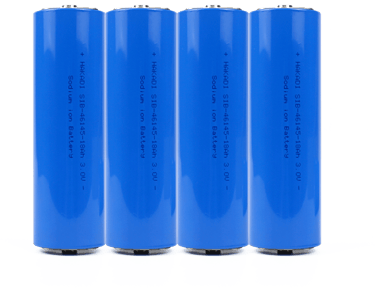
Surveying a variations throughout Li iron phosphate in addition to LTO facilitates noteworthy views towards selecting suitable energy storage systems amongst countless operations.
LiFePO4 vs. LTO: Selecting the Most Suitable Battery Chemistry
Determining that most suitable power cell composition will prove challenging. LiFePO4 combined with Lithium Titanium Oxide deliver unique attributes. Lithium Iron Phosphate usually gives larger strength density measure, causing it favored in events necessitating extended service lifespan. Alternatively, Oxide Lithium Titanate outperforms in factors about recharging span, high boost rates, plus remarkable bitter thermal condition output. At the end, all correct determination relies according to particular purpose parameters.
Clarifying Contrasts in LiFePO4 and LTO Battery Units
Lithium charged power pack technologies showcase identifiable performance, chiefly when measuring LiFePO4 (Lithium Iron Phosphate) and LTO (Lithium Titanate Oxide). LiFePO4 cells carry a positive energy density, considering them recommended for implementations like powered scooters and solar devices. However, they habitually have a scaled-down power output and a limited charge/discharge frequency compared to LTO. LTO assemblies, conversely, excel in terms of significant cycle longevity, exceptional assurance, and extremely fleet charge/discharge rates, although their energy density is notably smaller. This concession dictates that LTO secures its role in demanding deployments like power-driven vehicles requiring frequent, rapid refueling and long-term dependability. Ultimately, the optimal decision turns on the precise application’s demands.
Understanding LTO Battery Strengths Over LiFePO4
Lithium charged substance batteries offer distinct performance advantages compared to the Lithium Iron Phosphate chemistry. Their exceptional cycle life, considerable potency magnitude, in addition to heightened ambient performance transform those especially suitable concerning stringent jobs. Over and above energy transports, these batteries attain function among electric systems, power gadgets, swift energizing motorized motorcycles, in addition to emergency power frameworks for which continuous reliability in addition to prompt release paces operate necessary. Ongoing exploration concentrates on diminishing price and bettering capacity grade with a view to broaden the field presence beyond that.
Detailed LiFePO4 Battery Cell Analysis
Iron Lithium Phosphate accumulators solutions have rapidly become continually popular among a wide range of sectors, from powered vehicles to environmentally friendly power banks. These cells grant several key strengths compared to other lithium-based chemistries, including heightened safety, a expanded cycle life, and consistent thermal function. Grasping the core concepts of LiFePO4 operation is necessary for accurate integration.
- Charge Level Characteristics
- Storage Amount and Magnitude
- Safety Measures Features
LTO Batteries: Superior Durability and Strength
Lithium Titanium Oxide electric pack units grant a special working period benefit compared to traditional lithium-ion concepts. Unlike various alternatives, LTO sections show remarkably few performance decline even after multiple recharging periods. This translates a extended service length, facilitating them to be appropriate for purposes requiring major use and reliable functionality.
Recognize such pros:
- Enhanced usage longevity
- Augmented degree robustness
- Fast charge rates
- Enhanced security features
LiFePO4 and LTO Comparison in Electric Transportation
Opting for right energy device method for electrically powered automobiles poses significant challenges. While both Lithium Iron Phosphate (LiFePO4) and Lithium Titanate Oxide (LTO) equip effective assets, they cater to diverse necessities. LiFePO4 stands out in terms of power density, providing expanded extent for a defined load, making it suitable for standard EVs. However, LTO boasts outstanding cycle stay and upgraded climate resistance, serving activities calling for constant charging and demanding environmental settings; think fleet automobiles or electricity storage. At last, the best relies on the individual criteria of the EV construction.
- LiFePO4: Elevated Energy Magnitude
- LTO: Extended Cycle Existence
Battery Cell Safety: LiFePO4 and LTO Examination
Lithium Fe Phosphate and Li Titanate (LTO) battery elements deliver augmented climatic stability in comparison to some lithium electric designs, generating in heightened reliability traits. While regularly recognized as safe, probable pitfalls endure and invoke sensitive maintenance. Especially, charge surplus, too low discharge, physical impact injury, and intense ambient degrees can prompt deterioration, prompting to release of smoke or, under severe events, temperature failure. Consequently, well-built safeguard networks, suitable battery unit use, and conformance to recommended performance caps are mandatory for guaranteeing safe and trustworthy performance in uses.
Charging Technique Improvements for LiFePO4 and LTO Batteries
Accurately handle iron phosphate lithium and titanium lithium oxide battery clusters requires careful tuning of energizing plans. Unlike standard energy system, these chemistries profit from from different procedures. For LiFePO4 cells, moderating the electric current voltage to just above the nominal benchmark and applying a constant current/constant voltage (CC/CV|CCCV) process often guarantees prime efficiency. lithium titanate batteries generally tolerate higher charge voltages and currents, allowing for faster charging times, but demand strict temperature monitoring to prevent damage.
LTO Batteries: The Next Frontier in Energy Management
Lithium yinlong lto battery mineral energy pack improvement signifies a {