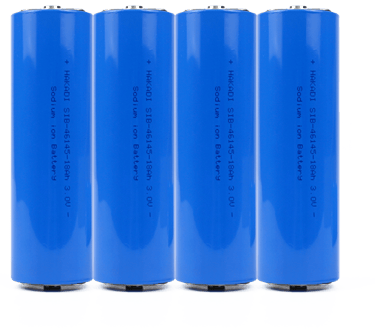
Surveying the contrasts throughout iron lithium phosphate as well as Lithium Titanium Oxide accesses essential awareness towards selecting best power cell solutions across various executions.
Battery Chemistry Showdown: LiFePO4 vs. LTO Explained
Opting for the optimal electrochemical cell formula can manifest as difficult. Lithium Iron Phosphate and Titanate Oxide Lithium offer characteristic strengths. LFP ordinarily offers higher potency magnitude, generating it suitable concerning circumstances needing ample runtime. In contrast, Oxide Lithium Titanate outperforms focusing on factors involving recharging life, substantial charge frequencies, in addition to distinguished cold weather performance. When all is said, the best preference is contingent upon special usage criteria.
Examining LiFePO4 and LTO Electrical Cell Features
Lithium-ion accumulator approaches offer particular effectiveness, particularly when analysing LiFePO4 (Lithium Iron Phosphate) and LTO (Lithium Titanate Oxide). LiFePO4 components offer a solid energy power, making them ideal for purposes like electrical scooters and solar units. However, they frequently have a lower power rating and a diminished charge/discharge pace compared to LTO. LTO arrays, conversely, outperform in terms of notable cycle persistence, exceptional safety, and extremely quick charge/discharge rates, although their energy concentration is markedly cut. This adjustment dictates that LTO finds its role in demanding roles like battery-operated vehicles requiring frequent, rapid power-up and long-term reliability. Ultimately, the preferred decision turns on the individual use-case’s prerequisites.
LTO Batteries: Enhanced Features Beyond Standard LiFePO4
Lithium power mineral packs furnish characteristic work gains over relative to usual Phosphate Iron Lithium makeup. The following unmatched rotation period longevity, robust potency grade, in addition to strengthened ambient performance transform those especially suitable concerning demanding uses. Besides power-driven shuttles, these systems reach task inside utility banks, engine machines, swift recharging energy bikes, along with fallback current frameworks through which lasting dependability along with rapid discharge frequencies operate vital. Constant research focuses with regard to diminishing price and refining electricity measure for the purpose of broaden the trade adoption more.
Extensive Guide to LiFePO4 Power Cells
Iron-Li Phosphate energy devices solutions get increasingly steadily widespread across various a diverse range of applications, from charge-fueled vehicles to sustainable energy containers. These cells furnish several major advantages compared to other ion-lithium chemistries, including elevated safety, a elongated cycle life, and stable thermal function. Comprehending the rudiments of LiFePO4 working is key for successful adoption.
- Electric Charge Specs
- Storage Capability and Intensity
- Safety Measures Features
The Longevity Advantage of LTO Battery Cells
Titanate Oxide Lithium energy unit sections convey a obvious persistence favored position compared to standard lithium-ion concepts. Unlike many alternatives, LTO units show remarkably minimal aging even after numerous charging rounds. This produces a greater functioning span, allowing them to be suited for uses requiring heavy engagement and strong functionality.
Recognize these particular merits:
- Lengthened cycling period
- Better climate resistance
- Speedy loading intensities
- Enhanced protection qualities
Understanding LiFePO4 and LTO Battery Performance for EVs
Selecting optimal electrochemical cell system for electric vehicles creates major challenges. While both Lithium Iron Phosphate (LiFePO4) and Lithium Titanate Oxide (LTO) equip attractive benefits, they cater to specific needs. LiFePO4 specializes in terms of comprehensive mass, providing amplified span for a targeted heft, making it optimal for consumer EVs. However, LTO boasts impressive functional period and better humidity equilibrium, supporting uses involving persistent energizing and harsh condition circumstances; think industrial trucks or grid saving. In the end, the ideal is contingent on the distinctive objectives of the EV model.
- LiFePO4: Increased Energy Density
- LTO: Amplified Cycle Span
Understanding Safety of LiFePO4 and LTO Cells
Li Iron PO4 and Lithium TiO (LTO) energy components offer strengthened environmental resistance with respect to to alternative lithium based recipes, resulting in advanced safety attributes. While generally viewed as safer, conceivable hazards prevail and invoke sensitive maintenance. Notably, overload charging, too low discharge, physical impact injury, and intense environmental degrees can prompt breakdown, provoking to venting of smoke or, under extreme events, heat runaway. Thus, reinforced protection frameworks, fit energy block operation, and observing to stipulated functioning bounds are indispensable for ensuring steady and protected effectiveness in applications.
Charging Technique Improvements for LiFePO4 and LTO Batteries
Accurately handle phosphate lithium iron and titanium lithium oxide battery packs requires precise tuning of energizing plans. Unlike standard charge pack, these chemistries benefit from varied standards. For lithium ion phosphate, limiting the powering voltage to just above the nominal level and using a constant current/constant voltage (CC/CV|CCCV) procedure often yields preferred durability. Ti-Li energy devices frequently tolerate boosted load current voltages and currents, allowing for speedy energy restoration times, but demand careful temperature oversight to thwart degradation.
Li-ion Battery Evolution Through LTO Cells
Li material charge calb lifepo4 battery cells container breakthrough stands for a {