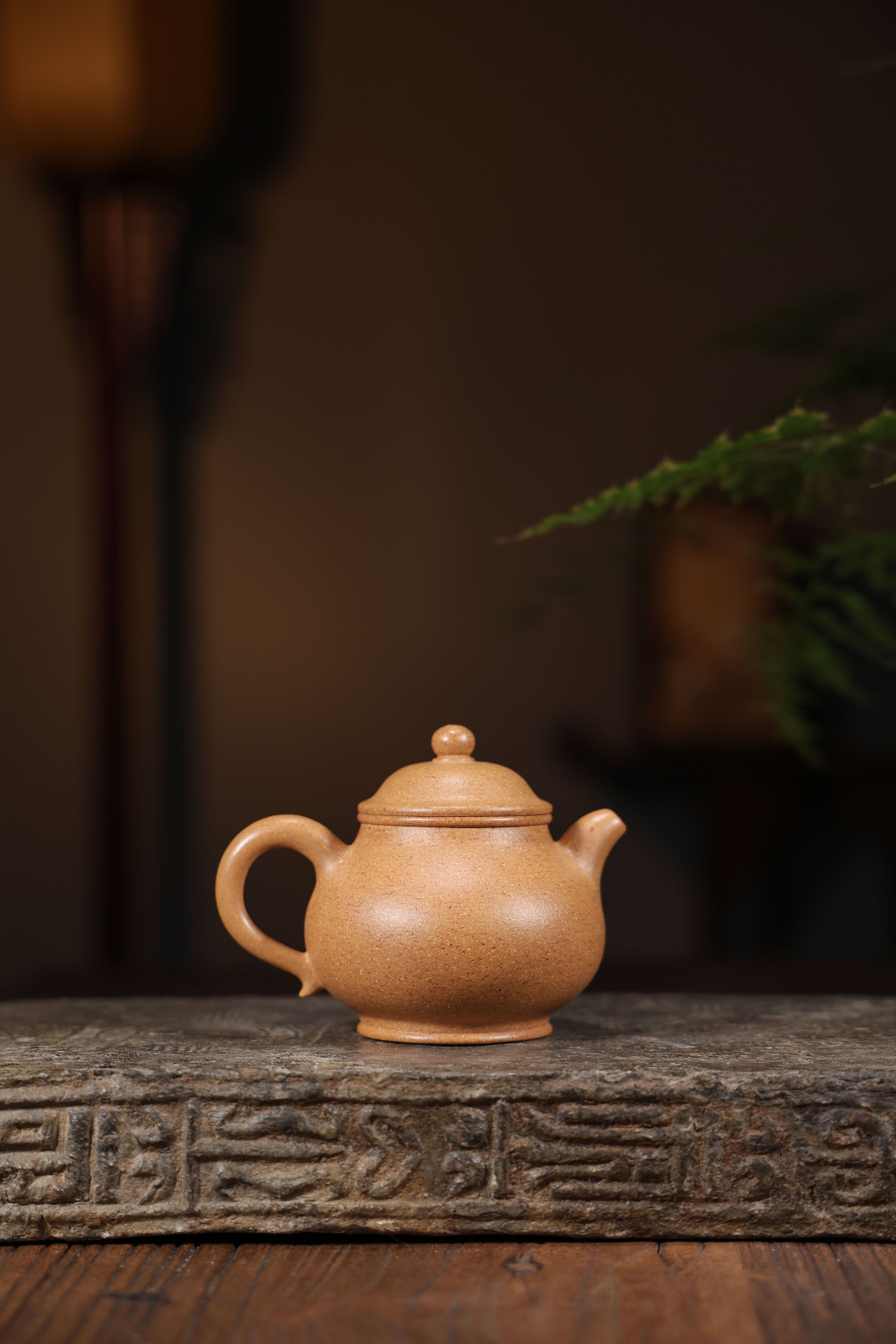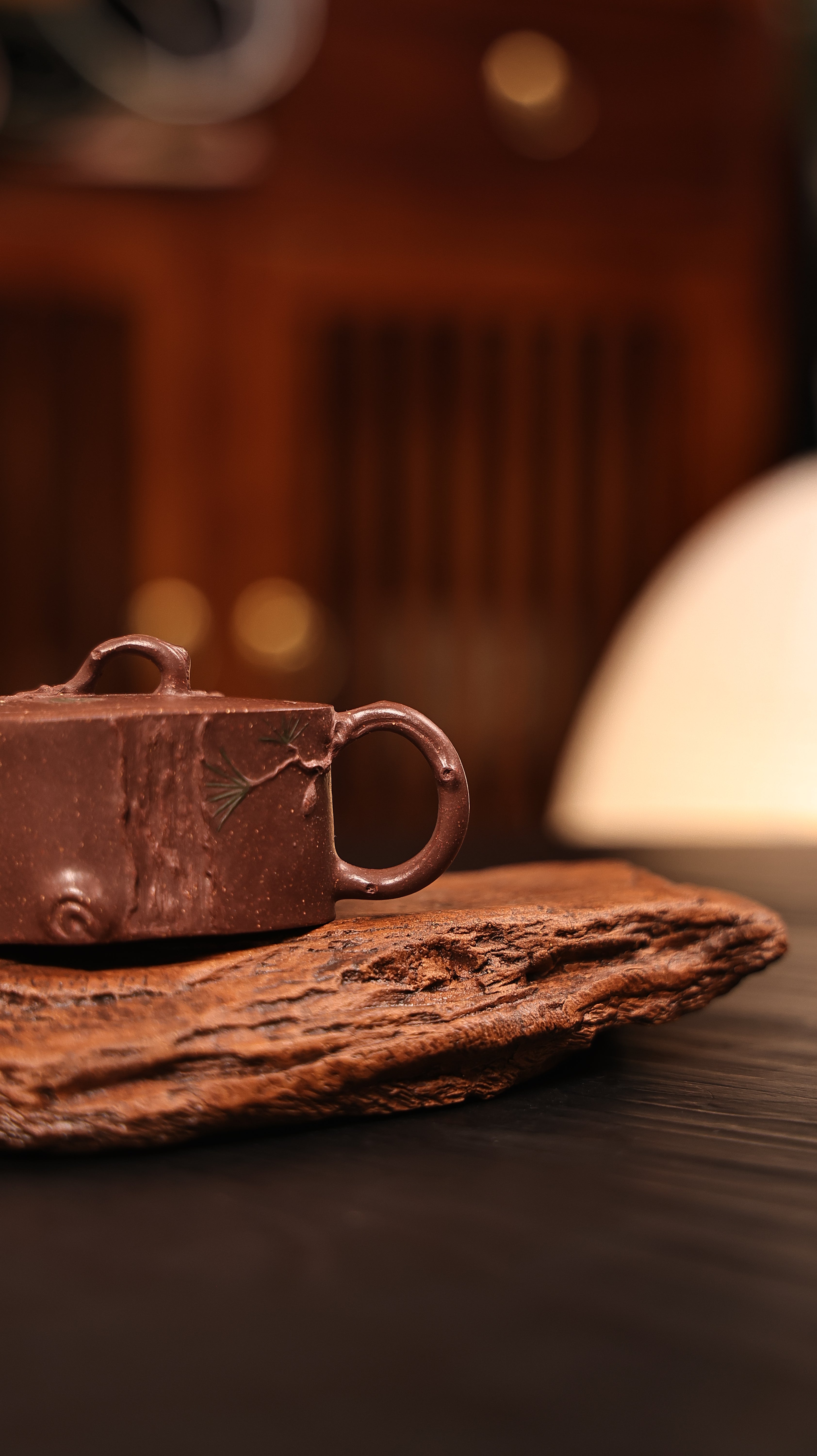
Initiating an exhaustive examination with respect to Yihsing Zisha ceramic vessels delivers unique absorbing synthesis encompassing dexterity and functionality.
宜兴 紫砂 ceramic vessels enjoy one exceptional attraction within enthusiasts across the globe. Certain notable ceramic vessels, coming from the unique Eysing zone of Jiangsu province, China, embody more than just tea gadgets; they are regarded as works masterful beauty and traditional significance. That finely processed clay, known by Zisha, imparts a understated flavor over the tea, and the decorative designs, often mirroring traditional Chinese imagery, contribute to their core value. Gaining a genuine Yixing Zisha teapot can be a fulfilling journey, posing careful scrutiny and an knowledge of the different factors influencing the uncommonness.
Examining Yixing Clay Pots
Yihsing pottery vessels boast a deep background deeply interwoven with Chinese identity. Originating in Yixing, Jiangsu district, these containers are crafted from a unique, porous purple mineral found only in that distinct location. Their evolution began during the Ming age, with master makers refining the methods over eras. Multiple types prevail, including the classic Hexiang (resembling crab shells), Zhuni (red-brown hue), and Duan Ni (stone-studded) – each with distinctive properties. The worth of an Yixing earthenware pot isn't solely based on its size or adornment, but also on the craftsman’s reputation, the mineral's quality, and the vessel’s age Chinese Teapot and condition. Curators often seek out older examples, believing they accumulate the flavor of the drink brewed within them over time, further adding to their reputation.- Original Vessels
- Mahogany Vessels
- Stony Vessels
Zisha Teapot Mastery: Fabrication & Procedures
Exclusive fabrication of Zisha teapots represents a zenith of Chinese ceramic skill. Professional artisans employ traditional techniques, often passed down through ancestry, to unlock the full quality of this unique clay. Processes involve meticulous crafting by hand, often combined with the layering method, followed by precise drying at incredibly marked temperatures in wood-fired kilns. Adorning is equally crucial; artisans utilize natural clay colors and may incorporate embossing work to depict intricate scenes or patterns, demonstrating a profound familiarity of the material’s properties and voice. The product teapot isn't merely a vessel for tea, but a testament to a rich cultural tradition.
Oriental Tea Containers: One Synopsis to Issing 紫砂
Investigating the world of Traditional teapots generally starts with Yixing Zisha. These exceptional clay ceramics are shaped from a particular type of clay discovered only in the Yixing region of the Jiangsu district province. Noted for its characteristic reddish-purple hue and fine features, Zisha clay delivers a mild flavor to the tea and improves with age, growing into a cherished artifact. Curating Yixing Zisha ceramics is more than just possessing a lovely object; it’s a honoring of legacy and technique.
Examining unique Pottery: Authentic Quality & Appreciation
Venturing into the realm of Yixing Zisha artifacts can be incredibly fulfilling, but calls for a sharp perception. Legitimacy is fundamental; countless forgeries appear, regularly cleverly manufactured. Gaining understanding about conventional heating processes, characteristic mud qualities, and the markings of acclaimed manufacturers is fully essential. Besides, comprehending the intricacies of the evolution tendency – influenced by causes such as cultural significance and the status of the product – is vital to effective acquisition.
- Surveying roasting heritage.
- Engaging experts for verification.
- Comprehending trading movements.
This Practice of Making with a Yixing Holder
Unique one-of-a-kind allure of a Zisha kit lies not just in its lovely appearance, but also in its remarkable impact on the flavor of the tea. These antique clay brewing pots, sourced from exclusive regions of China, possess a original porosity that gradually interacts with the fluid and leaves, imbuing the brew with a refined character. Mastering the process requires a steadfast approach, understanding how the mineral responds to distinct temperatures and botanical types, ultimately leading to a authentically rewarding sampling process.
Yixing Teapot Care: Preserving Personal Jewel
Proper management of your Yixing vessel is fundamental to sustaining its lastingness. These exceptional teapots, crafted from distinctive Yixing clay, build up a patina over periods that enhances their importance. Regularly rinse the inside surface with gentle water, avoiding soapsuds, and never use powerful scrubbing tools. Intermittent gentle drying with a gentle cloth can promote in eliminating discoloration. Allow your teapot to entirely dry subsequent each brewing
Interpreting Zisha: Reasons Particular Kettles Symbolize Outstanding
The celebrated appeal of Yixing teapots emerges from the distinctive properties of Purple clay, harvested solely near Yixing, China. This extraordinary clay, known as ferruginous earthenware , features a exceptional combination of compounds that, with age, soak up the bouquet of the liquids it holds. This creates a exclusive note for each teapot, allowing it a significance far transcending its baseline price and aiding to their admired status among specialists.
Finding the Best Ancient Kettle: A Zisha Manual
Venturing into the world of Zisha clay teapots can feel challenging, but understanding the foundations is essential to acquiring a coveted piece. This category of clay, sourced essentially from the area around Yixing, the Jiangsu area, is well-regarded for its exclusive grain and ability to boost the bouquet of the tisane over period. Review the profile, the cast, and the style; a legitimate Zisha teapot is more than just a holder; it's a decorative object and a signifier of eastern culture. Seek the inscription of the craftsman for clues to its history and potential worth.