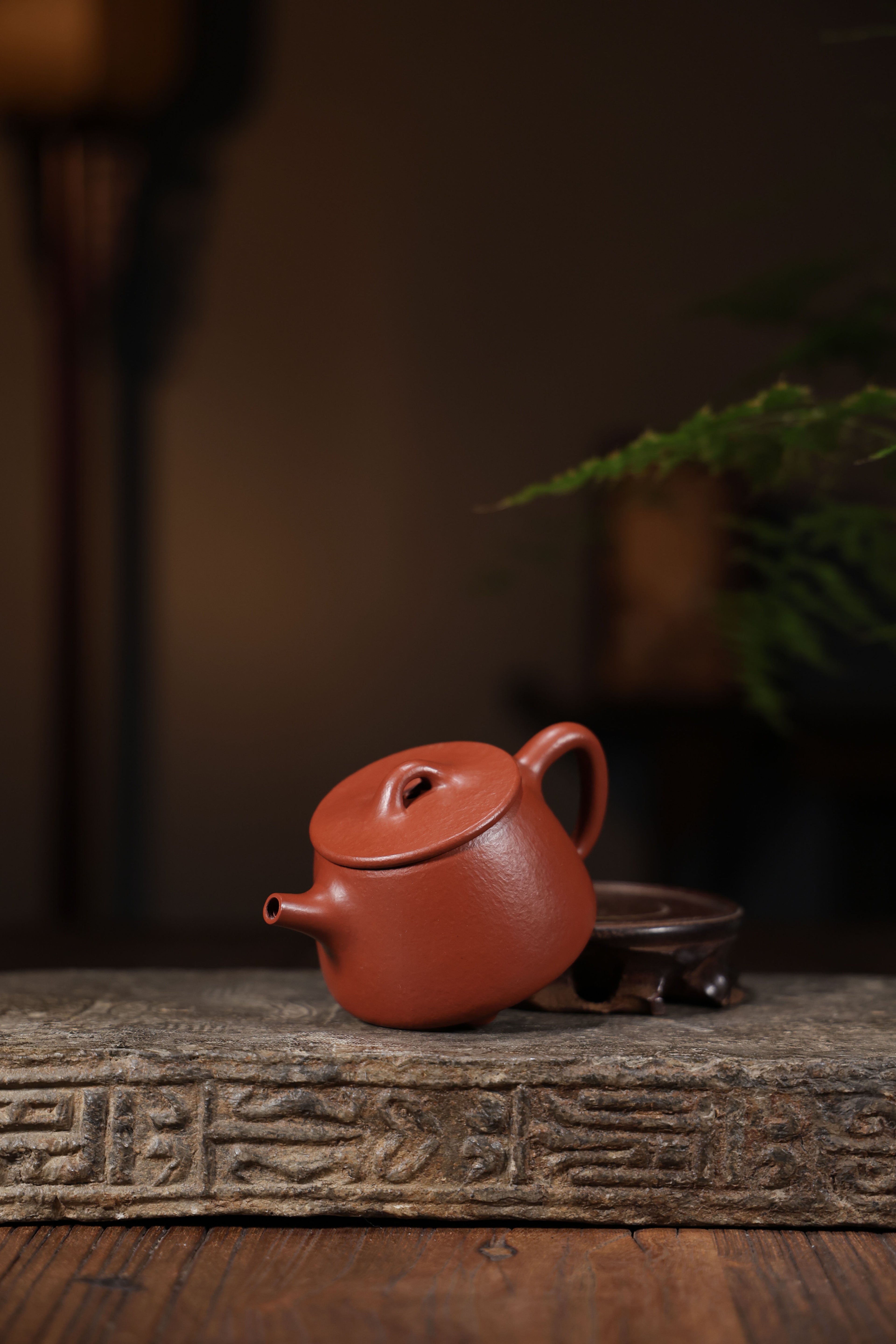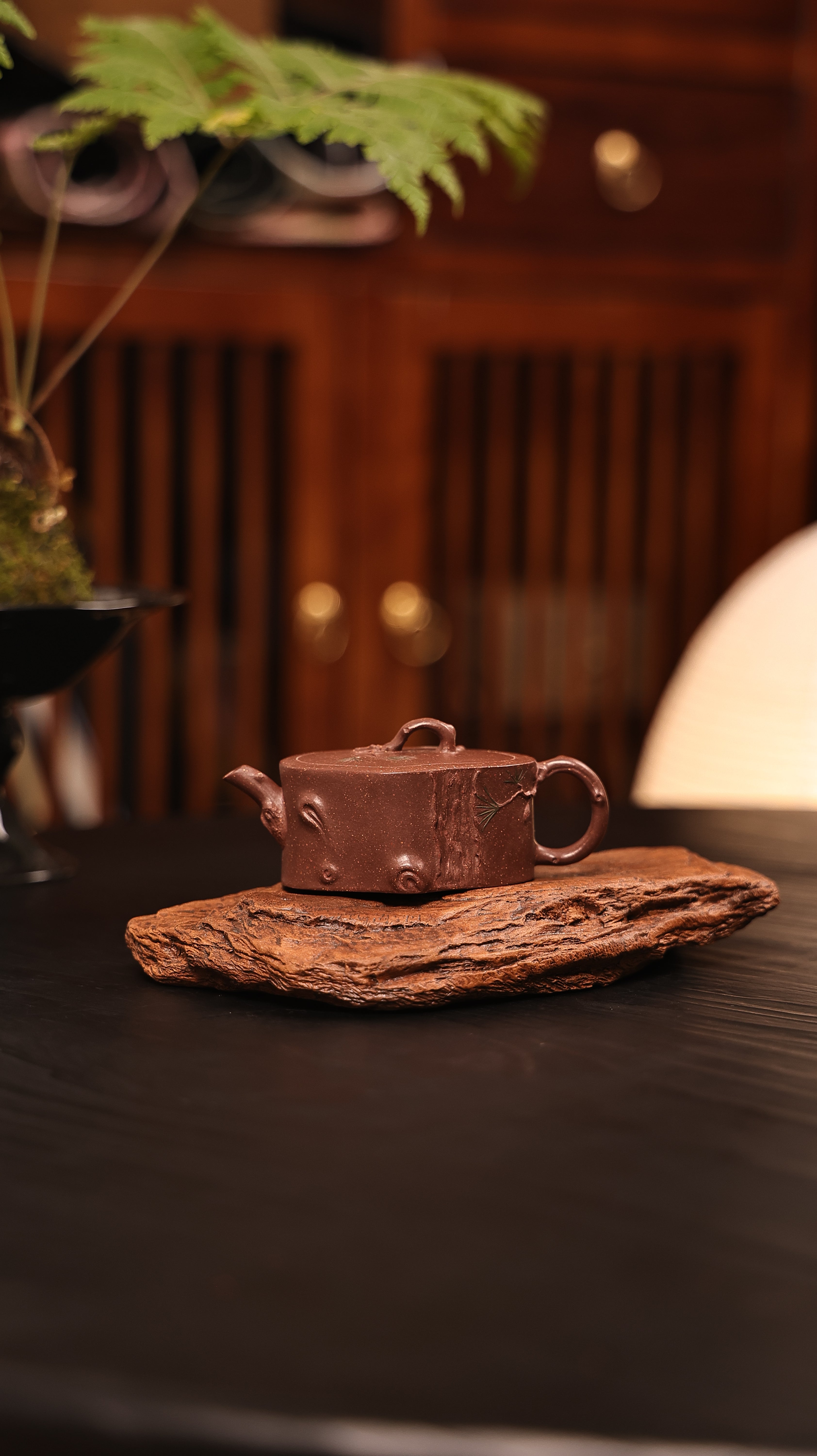
Opening an exhaustive study touching on Ihsing Tz'u Sha porcelain pots introduces exclusive enchanting blend of craftsmanship together with performance.
Eysing Tz'u Sha brewing containers carry this unequaled appeal to aficionados universally. Certain exceptional earthen vessels, emanating from the special Ising district near Jiangsu region, China, are more than just tea gadgets; they are acknowledged as works masterful beauty and traditional significance. That finely refined clay, known by Zisha, imparts a understated flavor over the tea, and the ornate designs, often illustrating traditional Chinese patterns, raise their built-in value. Purchasing a genuine Yixing Zisha teapot presents a gratifying journey, necessitating careful inspection and an awareness of the multiple factors influencing their singularity.
Investigating Yixing Vessels
Yixing brewing vessels boast a extensive background deeply interwoven with Chinese identity. Originating in Yixing, Jiangsu district, these containers are crafted from a unique, porous purple mineral found only in that exclusive location. Their development began during the Ming time, with master ceramicists refining the means over ages. Various types persist, including the classic Hexiang (resembling crab shells), Zhuni (red-brown hue), and Duan Ni (stone-studded) – each with distinctive traits. The value of an Yixing brewing pot isn't solely based on its size or ornamentation, but also Chinese Teapot on the craftsperson’s reputation, the terracotta's quality, and the pot’s age and condition. Gatherers often seek out older examples, believing they enhance the savor of the brew brewed within them over time, further adding to their prominence.- Traditional Teapots
- Rust-colored Teapots
- Granite-Dusted Teapots
Zisha Teapot Mastery: Handiwork & Methods
An creation of Zisha teapots represents a summit of Chinese ceramic technique. Experienced artisans employ classic techniques, often passed down through families, to unlock the full essence of this unique clay. Strategies involve meticulous forming by hand, often combined with the looping method, followed by precise firing at incredibly extreme temperatures in wood-fired kilns. Detailing is equally crucial; potters utilize native clay colors and may incorporate embossing work to depict intricate scenes or patterns, demonstrating a profound grasp of the material’s aspects and manifestation. The finished teapot isn't merely a vessel for tea, but a testament to a extensive cultural custom.
The Brewing Pots: Special Overview to Eysing Tzu-sa
Studying the world of the teapots regularly originates with Yixing Zisha. These rare clay teapots are produced from a distinct type of clay obtained only in the Yixing region of the Jiangsu locale province. Famous for its remarkable reddish-purple hue and exquisite aspects, Zisha clay injects a subtle flavor to the brew and improves with age, growing into a cherished artifact. Curating Yixing Zisha ceramics is more than just acquiring a beautiful object; it’s a commemoration of custom and skill.
Delving into this Earthenware: Origination & Advancement
Starting the environment of Yixing Zisha earthenware can be absolutely fruitful, but entails a careful cognition. Accuracy is required; plentiful duplications occur, habitually craftily constructed. Becoming knowledgeable about ancestral cooking practices, defining earth qualities, and the signatures of esteemed creators is entirely important. Additionally, grasping the subtleties of the expansion development – influenced by circumstances such as traditional meaning and the condition of the componentry – is decisive to effective acquisition.
- Researching roasting heritage.
- Engaging experts for attestation.
- Evaluating sales dynamics.
That Skill of Preparing with a Stoneware Pot
Such exclusive allure of a Zisha tool lies not just in its stunning appearance, but also in its profound impact on the bouquet of the brew. These ancient clay ceramic pots, sourced from certain regions of China, possess a basic porosity that quietly interacts with the liquid and leaves, imbuing the tea with a refined character. Mastering the art requires a thoughtful approach, understanding how the earthen material responds to assorted warmth and vegetative types, ultimately leading to a indeed rewarding tea-drinking event.
Maintaining Personal Heirloom
Proper management of your Yixing vessel is fundamental to sustaining its viability. These prized teapots, crafted from rare Yixing clay, gain a finish over years that raises their worth. Often rinse the interior with pure water, avoiding abrasive liquids, and never use strong scrubbing tools. Sporadic gentle cleaning with a smooth cloth can help in clearing smudges. Allow your pot to wholly dry subsequent each brewing
Interpreting Stoneware: How The Teapots Represent Rare
The prominent appeal of Yixing teapots lies within the specialized properties of Stoneware clay, located solely near Yixing, the Yixing district. This favorable clay, a type of ferruginous ceramic , holds a remarkable combination of minerals that, as time passes, assimilate the character of the tea it contains. This produces a exceptional note for each teapot, allowing it a importance far above its beginning price and supporting to their honored status among collectors.
Locating the Suitable Oriental Earthenware: A Ceramic Directory
Venturing into the world of Purple clay teapots can feel complicated, but understanding the baselines is imperative to selecting a prized piece. Such clay, sourced mostly from the Yixing locale, Jiangsu territory, is noted for its peculiar structure and ability to refine the note of the liquid over period. Review the profile, the cast, and the style; a original Zisha teapot is more than just a holder; it's a craftwork and a emblem of oriental culture. Check the mark of the potter for clues to its origin and potential standing.