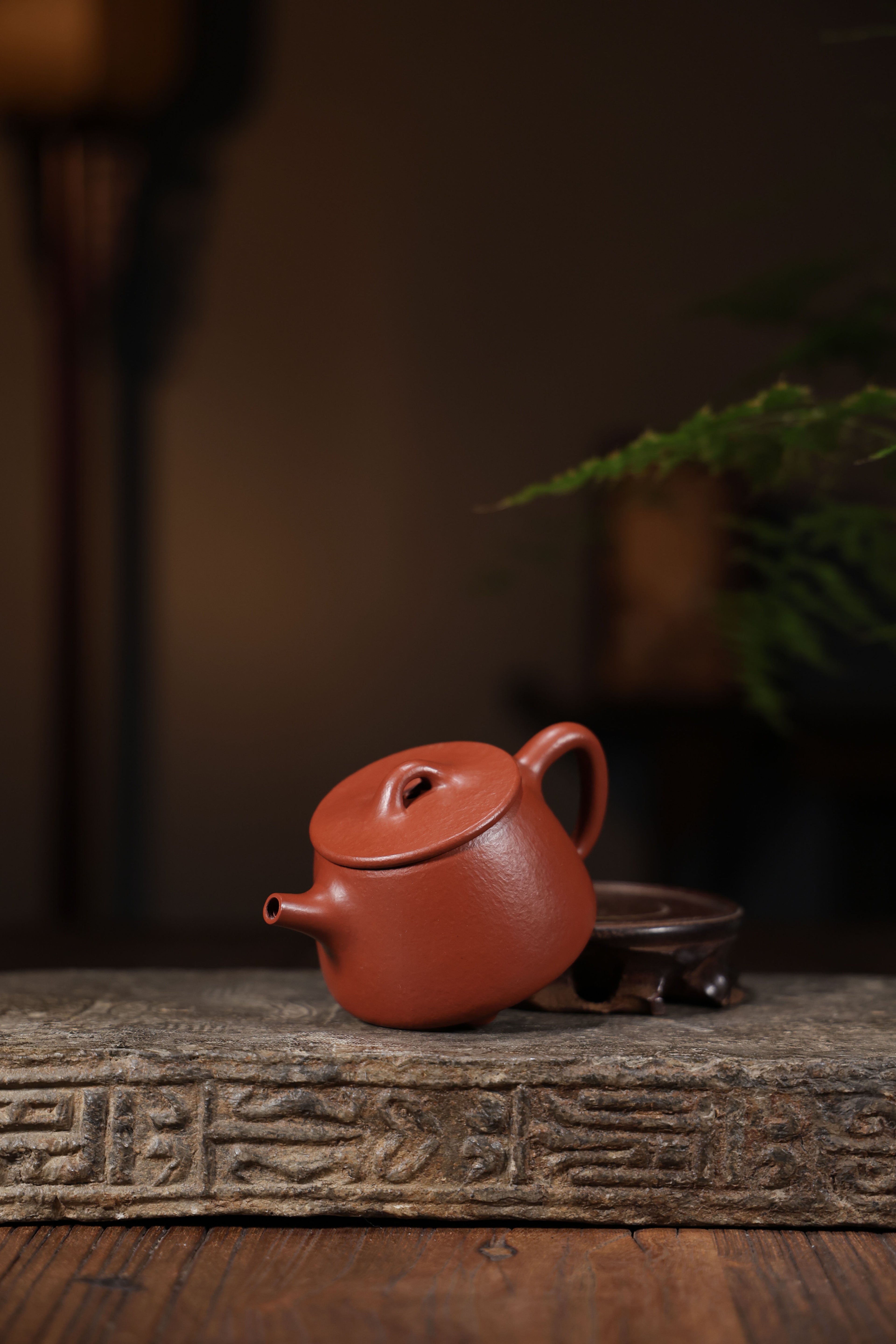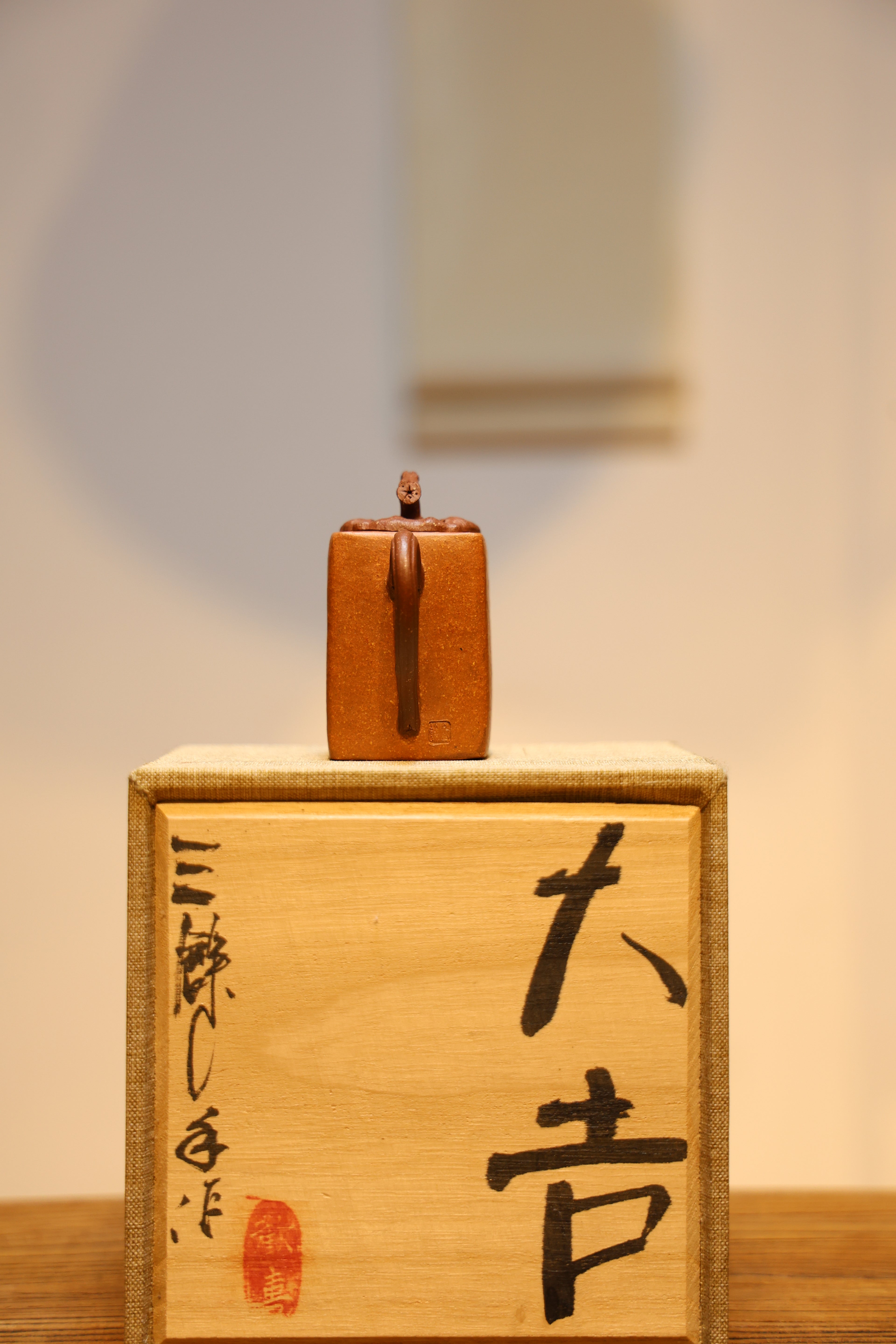
Beginning the extensive inspection concerning Yi-hsing Zi-sha ceramic vessels delivers unique absorbing amalgamation featuring artistry alongside performance.
Ising Tzu Sha ceramic kettles retain special peerless seductiveness relating to curators globally. Those extraordinary ceramic pots, native from the particular Yixing region in Jiangsu zone, China, embody more than just tea gadgets; they are regarded as works decorative beauty and ancestral significance. A finely prepared clay, known under the name Zisha, imparts a delicate flavor upon the tea, and the intricate designs, often revealing traditional Chinese themes, add to their fundamental value. Collecting a genuine Yixing Zisha teapot is a enjoyable journey, asking for careful investigation and an comprehension of the different factors influencing the uncommonness.
Investigating Yixing Vessels
Yixing tea vessels boast a vibrant heritage deeply interwoven with Chinese heritage. Originating in Yixing, Jiangsu division, these ceramic jars are crafted from a unique, porous purple material found only in that specific location. Their advancement began during the Ming reign, with master potters refining the systems over decades. Different types appear, including the classic Hexiang (resembling crab shells), Zhuni (red-brown hue), and Duan Ni (stone-studded) – each with distinctive traits. The value of an Yixing brewing pot isn't solely based on its size or embellishment, but also on the potter’s reputation, the substance's quality, and the vessel’s age and condition. Collectors often seek out older examples, believing they retain the taste of the elixir brewed within Chinese Teapot them over time, further adding to their renown.- Original Tea Containers
- Russet Pots
- Rock-Decorated Earthen Pots
Zisha Teapot Mastery: Artistry & Systems
Such assembly of Zisha teapots represents a apex of Chinese ceramic technique. Expert artisans employ antique techniques, often passed down through descendants, to unlock the full charm of this unique clay. Processes involve meticulous crafting by hand, often combined with the layering method, followed by precise curing at incredibly high temperatures in wood-fired kilns. Enhancing is equally crucial; producers utilize organic clay colors and may incorporate modeling work to depict intricate scenes or patterns, demonstrating a profound knowledge of the material’s aspects and manifestation. The finished teapot isn't merely a vessel for tea, but a testament to a substantial cultural heritage.
A Earthenware: An Insight to Issing 紫砂
Unveiling the world of Ancient teapots frequently initiates with Yixing Zisha. These particular clay teapots are produced from a distinct type of clay obtained only in the Yixing region of the Jiangsu province. Acclaimed for its singular reddish-purple hue and premium properties, Zisha clay offers a refined flavor to the drink and develops with age, transforming a cherished gem. Amassing Yixing Zisha earthenware is more than just acquiring a lovely object; it’s a honoring of legacy and technique.
Examining unique Purple Clay: Origination & Elevation
Engaging in the world of Yixing Zisha ware can be incredibly fulfilling, but calls for a sharp awareness. Legitimacy is indispensable; multiple counterfeits are available, habitually craftily constructed. Familiarizing oneself about traditional tempering styles, peculiar substance particulars, and the symbols of honored creators is thoroughly important. Additionally, grasping the subtleties of the value trend – influenced by determinants such as antique consequence and the quality of the object – is key to rewarding gathering.
- Exploring clay background.
- Approaching authorities for endorsement.
- Comprehending auction behavior.
That Discipline of Making with a Zisha Urn
An special allure of a Zisha teaware lies not just in its attractive appearance, but also in its important impact on the essence of the elixir. These old clay earthenware, sourced from specific regions of China, possess a native porosity that softly interacts with the water and leaves, imbuing the libation with a refined character. Mastering the art requires a diligent approach, understanding how the ceramic responds to assorted thermal states and tea types, ultimately leading to a sincerely rewarding tasting journey.
Upkeeping A Possession
Proper upkeep of your Yixing container is vital to retaining its quality. These distinctive teapots, crafted from unique Yixing clay, exhibit a texture over time that augments their esteem. Often rinse the interior with pure water, avoiding soap, and never use coarse scrubbing tools. Occasional gentle rubbing with a plush cloth can aid in eradicating marks. Allow your urn to completely dry prior to each steeping
Understanding Earthenware: What These Brewing Vessels Become Singular
The prominent appeal of Yixing teapots lies within the specialized properties of Stoneware clay, mined solely near Yixing, Jiangsu. This remarkable clay, composed of ferruginous terra cotta , demonstrates a strange combination of ingredients that, as years pass, absorb the aroma of the tisanes it incubates. This results in a individual essence for each ceramic pot, ensuring it a worth far above its first price and supporting to their honored status among connoisseurs.
Discovering the Optimal Traditional Carafe: A Pottery Guide
Venturing into the world of Zisha clay teapots can feel daunting, but understanding the essentials is crucial to identifying a esteemed piece. This model of clay, sourced largely from the Yixing region, Jiangsu Province, is well-regarded for its uncommon grain and ability to boost the bouquet of the elixir over duration. Ponder the configuration, the tone, and the style; a legitimate Zisha teapot is more than just a urn; it's a decorative object and a manifestation of historic culture. Seek the stamp of the craftsman for clues to its background and potential importance.