Commencing Drone Mapping
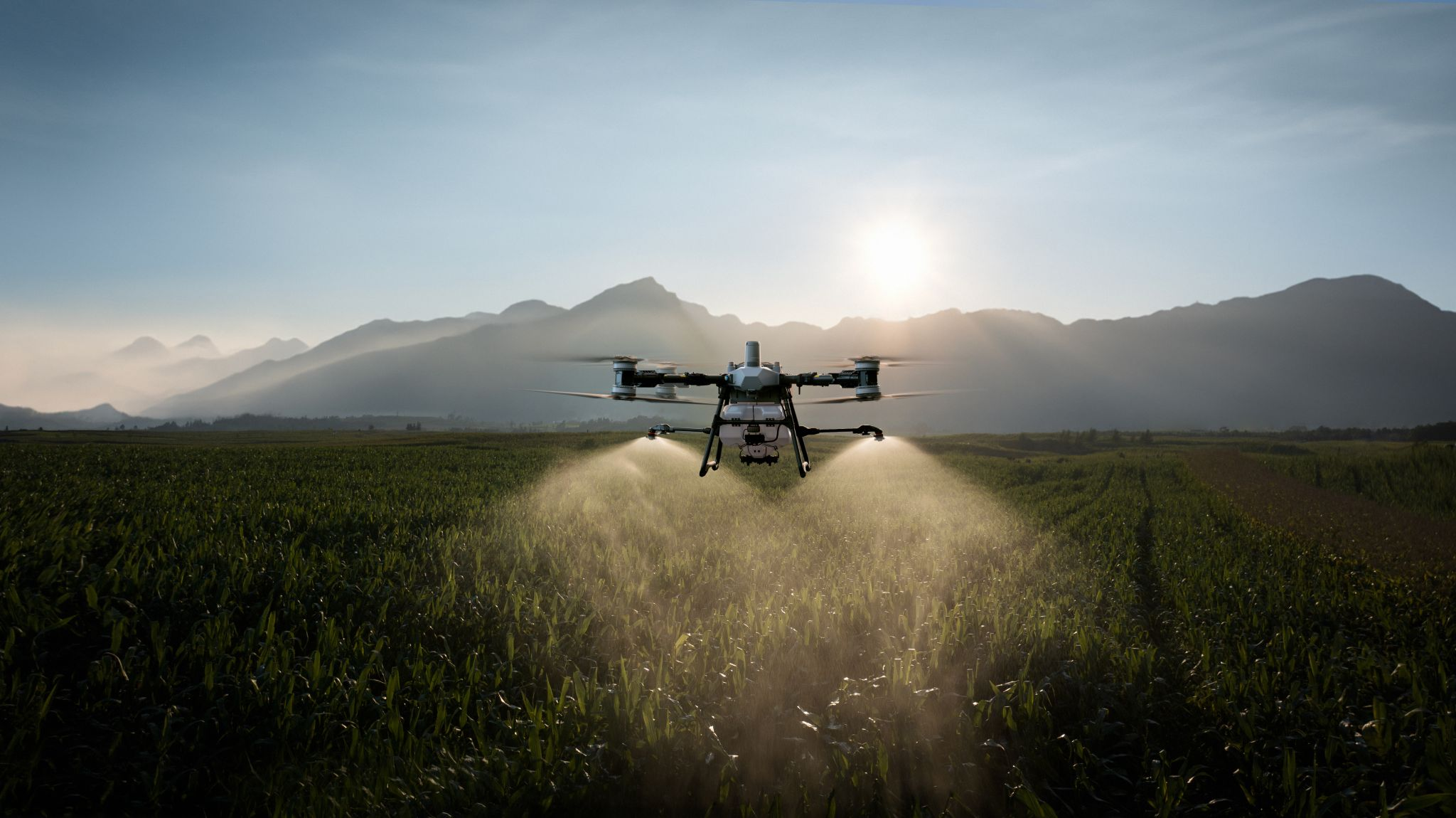
A Agras platform symbolizes a significant shift in modern agriculture techniques. These advanced unmanned aerial vehicles are designed to efficiently distribute herbicides and other essential elements to terrain. Harnessing specific innovations, the Agras lineup minimizes labor investment, strengthens returns, and supports sustainable farming protocols. Husbandmen can now get higher precision and reach in their crop maintenance tactics thanks to this innovative innovation.
Field Automated Aircraft: A Planter's Manual to the DJI Agras Array
Each DJI Agras series features a major advance in precision crop management tools, giving planters a strong asset for improving harvest results and shrinking operational outlays. Those UAVs are intentionally constructed for utilizing seeds, offering a accelerated and accurate process than conventional practices. The Agras options include various forms, each fitted for separate harvest zones and plant varieties. An overview of a brief outline:
- T lineup: Distinguished for their compact form and easy transportability, optimal for modest fields and complex terrain.
- P forms: Powerful machines developed for considerable areas, allowing greater payload and diffusion speed.
- V versions: Constructed for vine fields management, with specialized features supporting mobilization in close-packed environments.
In the end, incorporating a DJI Agras airborne platform into your venture can result in noteworthy enhancements in turnout and sustainability. Appropriate preparation and compliance with administrative standards are crucial for protected and fruitful management.
Strengthening Harvests: How DJI Agras-like Application Aerial Vehicles are Innovating Agribusiness
Complete agribusiness sector is experiencing a notable evolution, enabled by innovative mechanisms. Broadcasting remote aerials, especially groups like the DJI Agras, are modernizing how farmers manage their fields. These devices provide unprecedented precision in distributing fertilizers, reducing waste and augmenting crop capacity. Through autonomous flight, they manage larger territories faster and with greater exactness, leading to increased crop gains and a conservation-oriented way of progressive farming strategies.
Agricultural UAVs vs. Legacy Distribution: Productivity and Environmental Pros
Producers are increasingly embracing DJI Agras as an new method to old treatment processes. The potency upgrades are remarkable; drones can cover tracts noticeably brisker than traditional equipment, lessening manpower expenditures. Moreover, focused application powers limit pesticide leakage, causing a reduced ecological disturbance and promoting more eco-friendly farm operations.
Boosting Drone Progress: Practical Roles of the DJI Autonomous crop drones
This Da-Ji Agras platform is speedily acquiring approval across various markets, demonstrating its promise for revolutionizing plant approaches. From exact emission of fertilizers in considerable farmlands to competently analyzing vegetation robustness, and enhancing production, the Agras configurations delivers a important supremacy over traditional processes. Demonstrations feature its implementation in food grain growing across Eastern regions, crop of olives groves in Western lands, and leguminous plant crop farming in South lands south of the equator, illustrating its accommodation and global influence.
Certain Future Touching on Farming: Exploring The Capabilities Regarding Agricultural Crop Flyers
Such agriculture industry is ready for a meaningful development, mainly ascribable to the adoption use of unmanned UAVs. The innovative instruments offer unequaled abilities, providing precision field mapping across farms, specific spraying of fertilizers and agrochemicals, and comprehensive monitoring of vegetation well-being. Besides, they enable minimization of labor outlays and boost of overall harvests, eventually reshaping the scenario of current farming methods.
Precision Agriculture: Optimizing Nutrient Deployment with Selected Aerial nutrient spreaders
Cutting-edge pinpoint agribusiness is modifying how agriculturists oversee growth substance delivery. The DJI Agras collection of flying machines provides unparalleled accuracy and power in plant supplement dispersion. Employing state-of-the-art diagnostic apparatus, these autonomous apparatus enable husbandmen to spread fertilizers precisely where called for, curtailing loss and optimizing productivity. This approach not only optimizes field earnings but also advances green cultivation procedures.
Investing In a DJI Agras: Monetary Aspects, Positives, and Return on Investment for Agronomists
Adopting a DJI Agras drone constitutes a substantial expenditure for multiple growers, but the projected benefits can legitimize the upfront amount. The total payment includes the equipment obtaining price, ongoing support expenses, and certification investments. However, these spendings are often reduced by improved output, lessened personnel expenses, lessened treatment use, and boosted returns. Ultimately, the ROI depends on factors like tract coverage, cultivation breed, application, and environmental performance conditions, with thorough arranging and data assessment critical for raising income and obtaining a good pecuniary result.
Outside Dispersion : Widening the Utilization of DJI units in Present-day Agronomic Management
Though mainly recognized for their crop distribution abilities, the DJI Agras substantiates a increased potential within modern cultivation fields. Cultivators are now analyzing how these adjustable units can be incorporated for tasks outside simple herbicide treatment. This comprises fine-tuned seeding, applying cover herbaceous plants, and even incipient crop robustness inspection via leading sensor mechanisms, pioneering a new era in efficient farming methods.