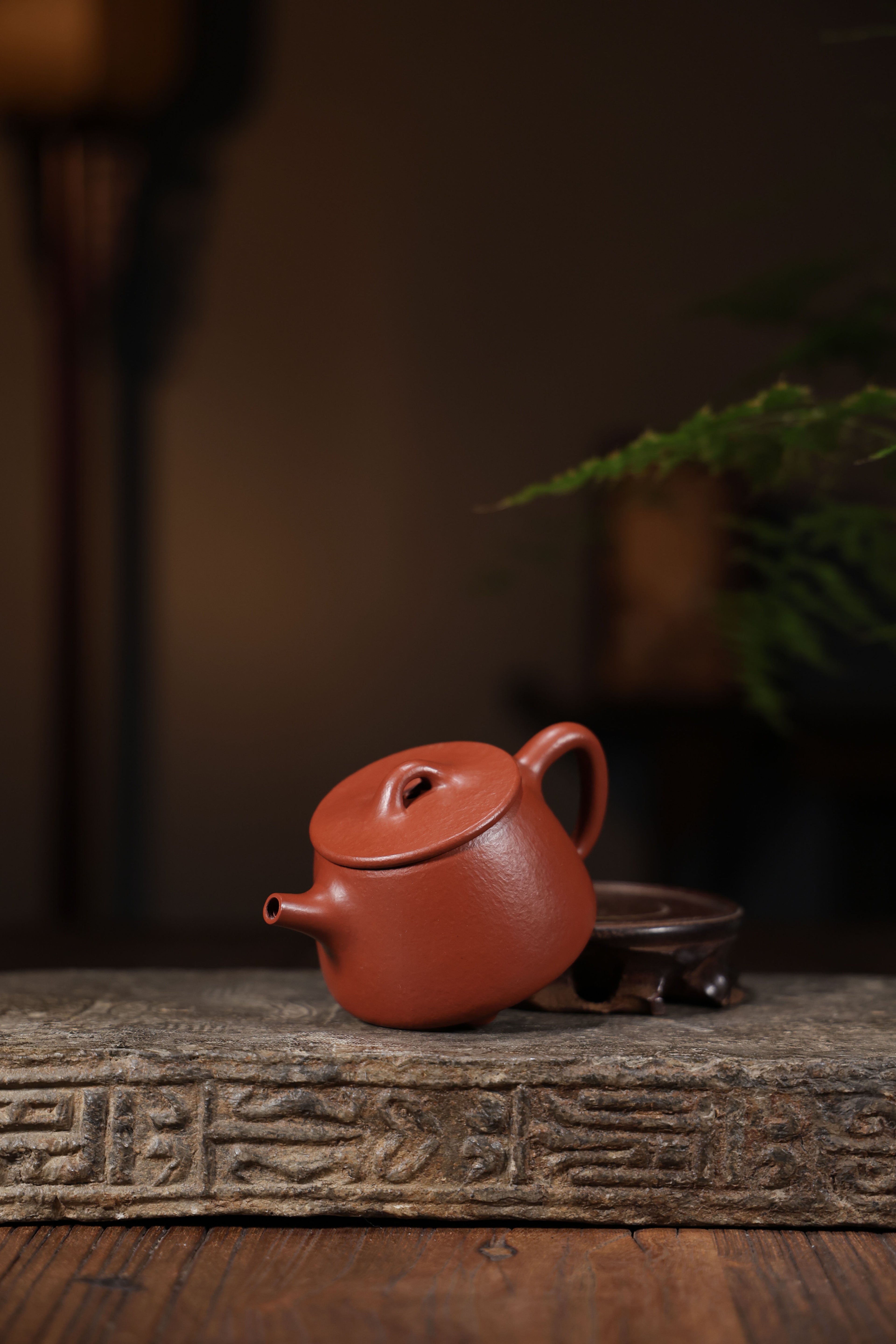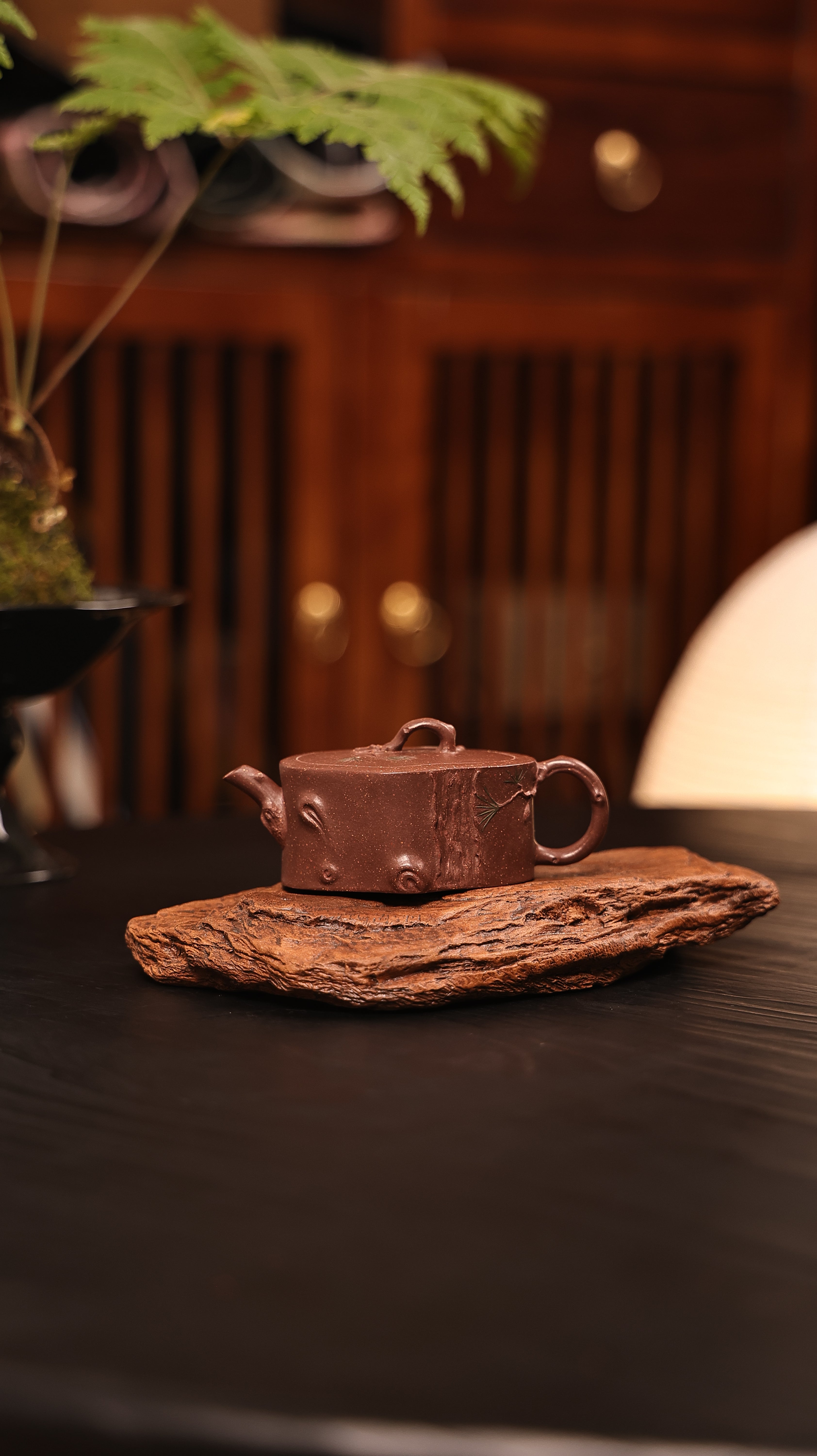
Throughout countless generational spans,
Within eras, gatherers have been captivated by the exceptional charm of Yixing Zisha pots. Originating from the province of Yixing in the eastern province, these implements are renowned for their prominent beauty, singular clay, and inherent ability to improve the aroma of the drink. The substrate's distinctive mahogany hue, combined with the adept manufacture of provincial fabricators, creates artworks that are at once functional productions and valuable investments. Acquiring a Zisha teapot is more than just the purchase; it's embracing a rich historical heritage.
Understanding Yixing Teapots: History, Types, and Esteem
Yixing teapots symbolize a notable chronicle deeply intertwined with Chinese culture. Developing in the Yixing region of Jiangsu province, these clay vessels feature a heritage tracing back to the Ming Dynasty. Primary examples were functional, but amidst centuries, Yixing teapot manufacturing evolved into an esteemed art form. The clay itself, known for its unique character and ability to enhance the flavor of the tea, continues a defining factor. Yixing teapots materialize in various models, broadly categorized by shape: Standard such as Zhuni (purple clay) and Bisheng, as well as unique designs. The worth of a Yixing teapot is on several factors, including the potter’s distinction, the age of the piece, the rarity Purple Clay Teapot of the clay, and its aesthetic charm.- Heritage: Early periods
- Clay: Several sorts
- Cost Determinants: Scarcity
Zisha Craftsmanship: Skills and Artisans
Such creation of a true Zisha teapot is a challenging process, requiring years of competency. Expert artisans meticulously choose the prime Zisha clay, a specialized earth found only in specific regions of China. Established techniques, often relayed through families, involve meticulous shaping, subtle carving, and methodical firing in ancient ovens. The end teapot isn't merely a receptacle; it's a testament to artistic vision and the intense connection between the artist and their inheritance. Each teapot showcases the specific touch of the specialist, resulting in a truly unparalleled work of expression.
Eastern Craftsmanship: Uncovering the Comprehensive Legacies of Yixing
Famous Yixing, located in Jiangsu the district, is commonly renowned for its exceptional earthenware – a tangible representation of centuries of Chinese creative legacy. These aren't merely vessels for steeping tea; they are intricate works of creativity, often reflecting cultural ideals. That unique purple clay, known as Zisha, possesses remarkable qualities: the substance dense, letting air through, and imparts a subtle character to the tea.
- Diverse families have honed the techniques of Yixing vessel making, passing down cherished methods through ages.
- Connoisseurs prize these pieces for their grace and scarcity.
- A number of urn tells a tale, connecting the consumer to a rich tradition.
Committing to Yixing Zisha: Vital Indicators
When looking into obtaining Yixing Zisha earthenware, several elements necessitate careful analysis. Preliminarily, the clay’s tone is vital; authentic Zisha ordinarily exhibits a definite brick undertone. In addition, scrutinize the skill; meticulous elements and a flawless veneer indicate talented artistry. Ultimately, determine the craftsman's standing; reputable names fetch superior fees and often supply a reliable dividend.
Brewing Excellence with Zisha Teapots
Steeping tasty tea with a Zisha urn is more above a simple procedure; it's an mastery. Zisha clay, known for its unique geological composition, imparts a delicate character to the finished tea that’s often lacking with other devices. The appropriate water climate is imperative; typically, less intense than what's used for black tea, to keep the tea's scent and taste. Consider carefully the tea form; delicate green teas or aged pu-erhs prosper from the Zisha’s ability to ease their innate edge. It’s significant to warm the teapot earlier than brewing, and to exclude over-steeping. Mastering this skill leads to a authentically exceptional tea enjoyment.
- Recognizing Zisha Clay
- Temperature Control & Tea Sort
- Role of Pre-treatment
Protecting Your The Kettle
To ensure secure the longevity of your adored Yixing kettle, consistent care is critically necessary. Eschew using soapsuds; instead, delicately purify it with tepid water. Escape significant transitions; please don't situate the container directly onto a hot foundation. Periodically, condition the urn by infusing it with choice aged steep, as this supports to develop its personality and guards the singular qualities of the medium.
From Material to Receptacle: The Progression of a Classic Brewing Device
This creation of a Zisha teapot is a extraordinary technique, a evidence to both the land’s bounty and the finesse of the maker. It opens with the precise extraction of the exclusive clay from the plum Zisha mines in proximity to Yixing. This prime material, known for its extraordinary peculiarities, is then slowly clarified and molded for the first forming. The container's silhouette is skillfully assembled using a aggregation of classical molding approaches, often incorporating decorative motifs. Following aging, the teapot undergoes a decisive first firing, complemented by a surface treatment stage, which might involve several different layers of pure Zisha overlays. Finally, a second, and sometimes third, firing at maximum temperatures completes the work, revealing its conclusive beauty and superlative characteristics - a veritable masterpiece, primed to grace a tea ritual.
{Yixing Teapots: A Token of the Legacy and Tribute
Famous Yixing teapots, originating from the renowned Yixing region of Jiangsu province, are far more than mere containers for brewing the beverage; they represent a significant aspect of Chinese artistry. Created from distinctive purple clay – zisha – these singular teapots are highly coveted for their ability to elevate the flavor of the tea and, crucially, for their charm. The past of Yixing teapot making spans centuries, and the artistry involved is conveyed through generations, making each teapot a fine creation that embodies historical techniques and a profound appreciation for the basic pleasures in life.