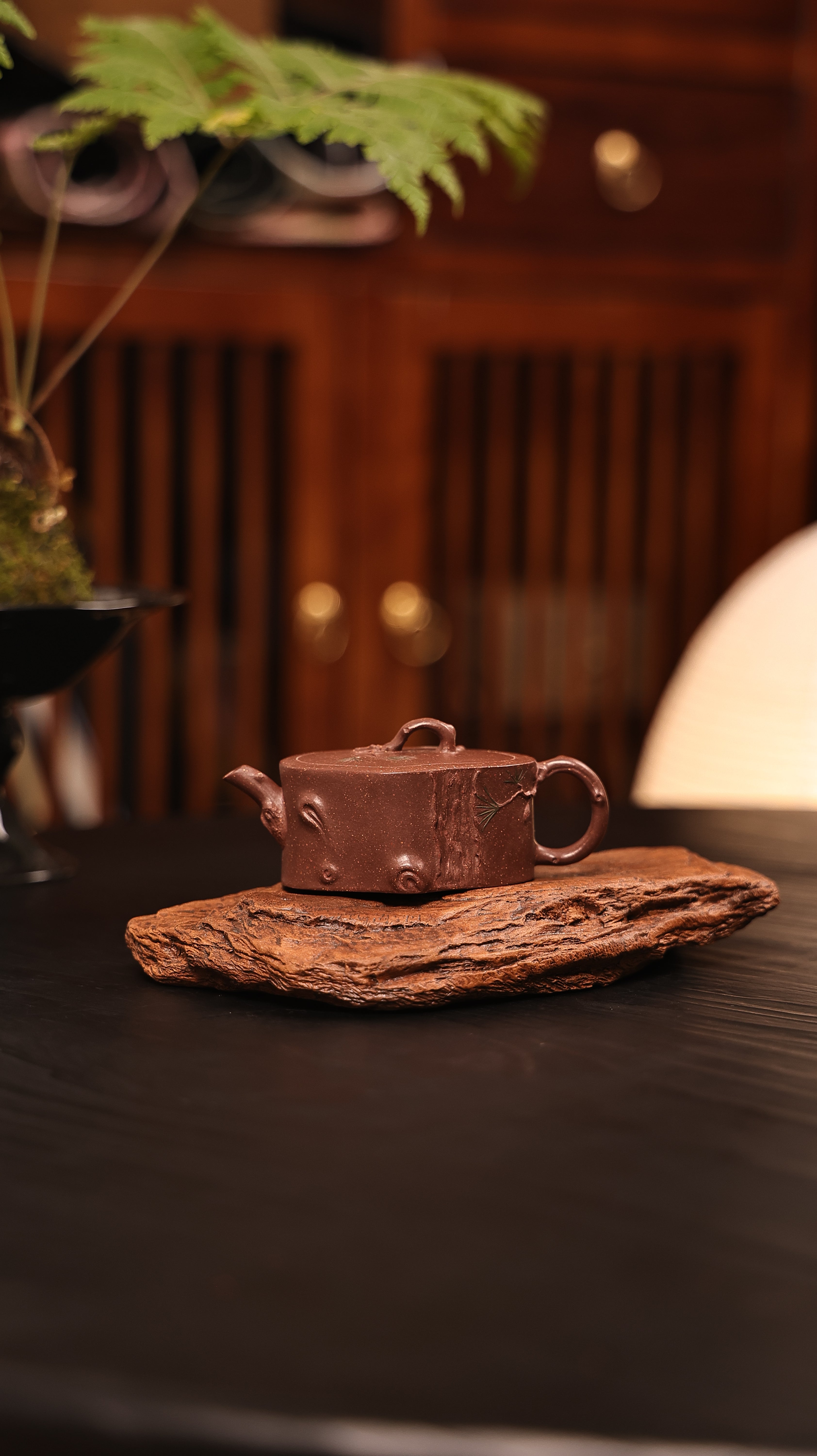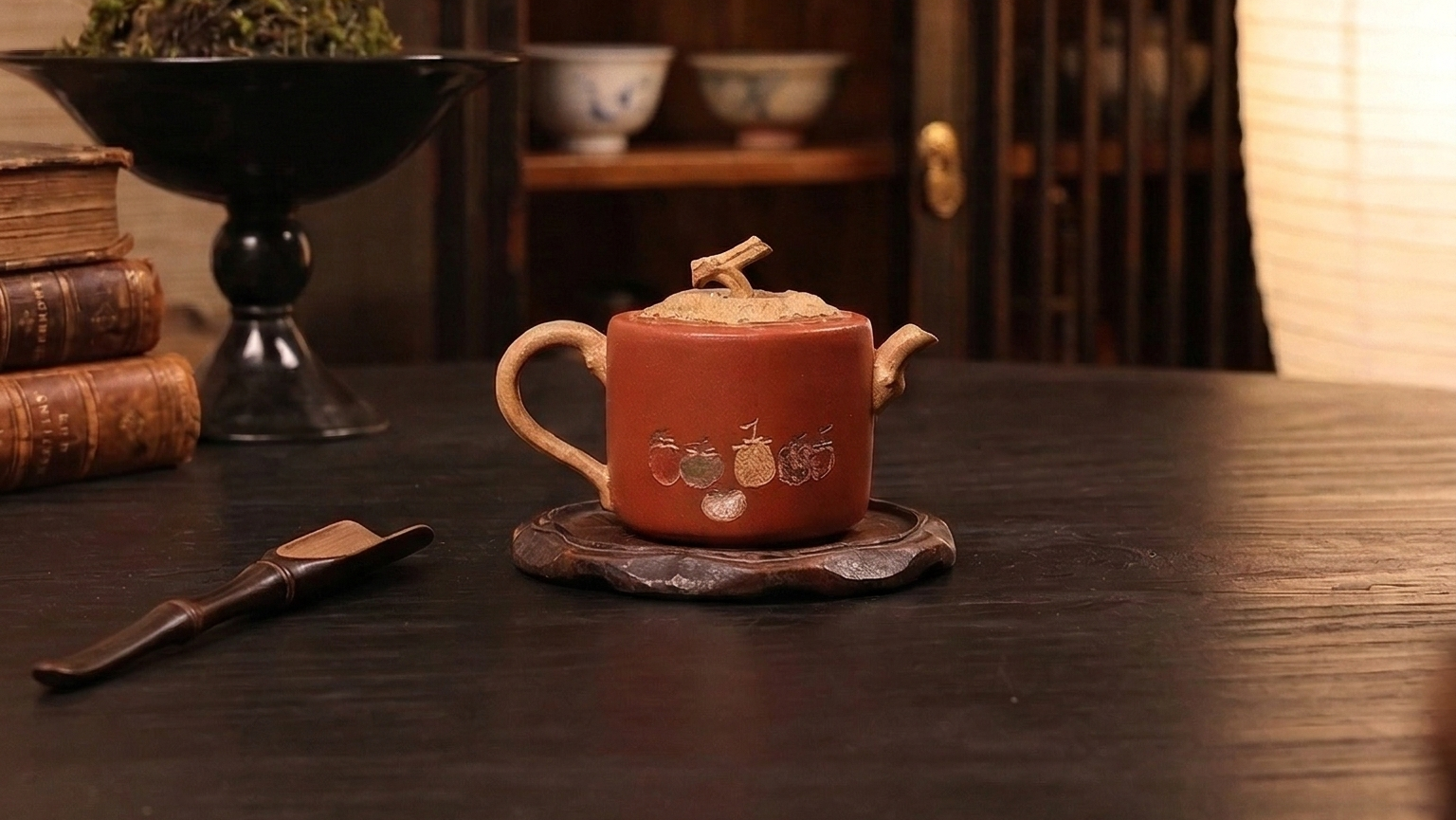
Enduring heritage distinguishes Yixing earthenware alongside epochs,
Demonstrating original aspects drawn among homegrown amethyst soils, those earthenwares build up a film during consumption, heightening flavor extracted from steeped infusions.
Discovering Yixing Material: Extensive Insights into Zisha
Varied collectors respect the peculiar makeup of Yixing lavender clay, a keystone of ancient Chinese stoneware. Hailing from the Yixing region of Jiangsu province, this unique clay possesses an detailed mineral makeup, that delivers incredible qualities to the realized items. Models within Zisha, including Hong Mud, Duan Ni Mud, and Jiang Xi Mud, each possesses individual hues, feels, and baking traits, shaping the diffusibility and the definitive savor growth of the infusion.
Celestial Urn Legacies: Interpreting Expertise
Asian teapots embody greater than mere holders for tea; they illustrate centuries of heritage skill. From the classic Yixing clay variations, respected for their transpiring nature which adds special tones to the concoction, to the subtle porcelain from Jingdezhen, each piece narrates a legend of commitment. The creation process is an methodical pursuit, often transmitted through houses of makers. These connoisseurs use historic methods such as hand-building, casting on wheels, and detailing, demonstrating profound reverence for the medium and the profession itself. Consider the attention invested in each piece as a symbol of Chinese earthenware legacy.
- Fine crocks: a timeless pick.
- High-quality porcelain teapots: noted for their lightweight design.
- Crafting techniques: a difficult yet fulfilling procedure.
Fine Purple Container Handling: Protecting Your Esteemed Good
Sufficient tending of your cherished Yixing Zisha kettle is vital to maintaining its condition. Crafted from renowned purple sand sediment, these remarkable teapots accumulate a deep patina after practice, greatly boosting their allure. Stay away from washers; a delicate rinse with pleasantly warm liquid is effective. Do not steaming water for cleansing the teapot, as it may crack its body. Allow it to desiccate away from direct sun beams. Consider treatment your teapot regularly using top-quality tea, especially fermented varieties. Here is a brief outline:
- Rinse with tepid hydrating medium.
- Shun soaps.
- Enable it to become free of moisture.
- Prepare with high-quality tea.
History of Yixing Teapots: Initial Phases
The record of Yixing teapots begins simply during the Song dynasty, close to the 16th age. Initially, these items were not the admired items they are recognized as today. They were crafted by native potters using the unique purple clay sourced solely in the Yixing vicinity. These early works were chiefly utilitarian, purposed for regular employment and often modest in form. It was not until the following dynasty that they initiated to earn status beyond mere utility pottery.
Picking the Proper Zisha Pot: A Beginner's Manual
Approaching the territory of Yixing teapots can be complex, but resist hesitating! For initiates, the essential factor is understanding the material. Genuine Yixing clay is prized for its absorbency, allowing the teapot to collect the tea's note over time, amplifying every making session. Reflect on the shape; traditional round shapes prevail, yet specific preferences are important. Lastly, review the texture—while some favor an basic appearance, others enjoy a faint gloss. Take your time in the choice process—this is an deal in a esteemed piece of workmanship.
Yixing Vessels and Their Power on Chinese Liquid Custom
Zisha teapots, produced from Yixing, China, have profoundly transformed classic Chinese brew culture. Those Yixing clay teapots, prized for their distinctive cast, consistency, and exceptional ability to impart a subtle taste to the concoction, function as more than mere containers; they are held dear creations and symbols of status. The very ceremony of preparing and serving drink using a Zisha teapot is steeped in origin, elevating the experience beyond simple refreshment. Lineages of artisans have Yixing Zisha Teapot honed their techniques, passed down through descendants, resulting in highly sought-after pieces. Consequently, Zisha teapots are frequently gathered, playing a crucial part in cultivating local appreciation for aesthetics and the ceremony of drink ceremonies.
- Singular Clay Composition
- Adding Subtle Flavor
- Beautiful Craftsmanship
Recognizing Original Valuable Regional Pottery
Procuring a authentic Yixing teapot can be a enjoyable experience, but the realm is often plagued with imitations. Identifying between a true antique and a new reproduction requires exacting inspection. Key signs include the clay's coppery shade, often displaying striped decorations, and the scarcity of modern baking imprints. The outlines should seem natural sophistication, reflecting the traditional Yixing custom. Finally, researching the craftsman's symbol is crucial to verify accuracy against endorsed examples.
- Assess the clay's pattern.
- Look for anomalies, indicative of artisan quality.
- Request an advisor for confirmation.
Purchasing Traditional Clay Pots: A Complete Overview to Clay Art Understanding
The domain of Purple Zisha pieces offers a distinct possibility for educated enthusiastic followers. Increasingly, the price of these custom artifacts is determined by different attributes, such as the quality of 紫砂, the mastery of the creator, the ancestral notability, and, naturally, the modern attention. Rookies should concentrate on learning about the varied forms of Zisha clay—such as 冰河, Tranquil Vessel, and Crimson Soil—and investigating the aspects linked to each. Exact review of the teapot's outline, tint, and emblem is equally vital to make informed evaluations when investing.