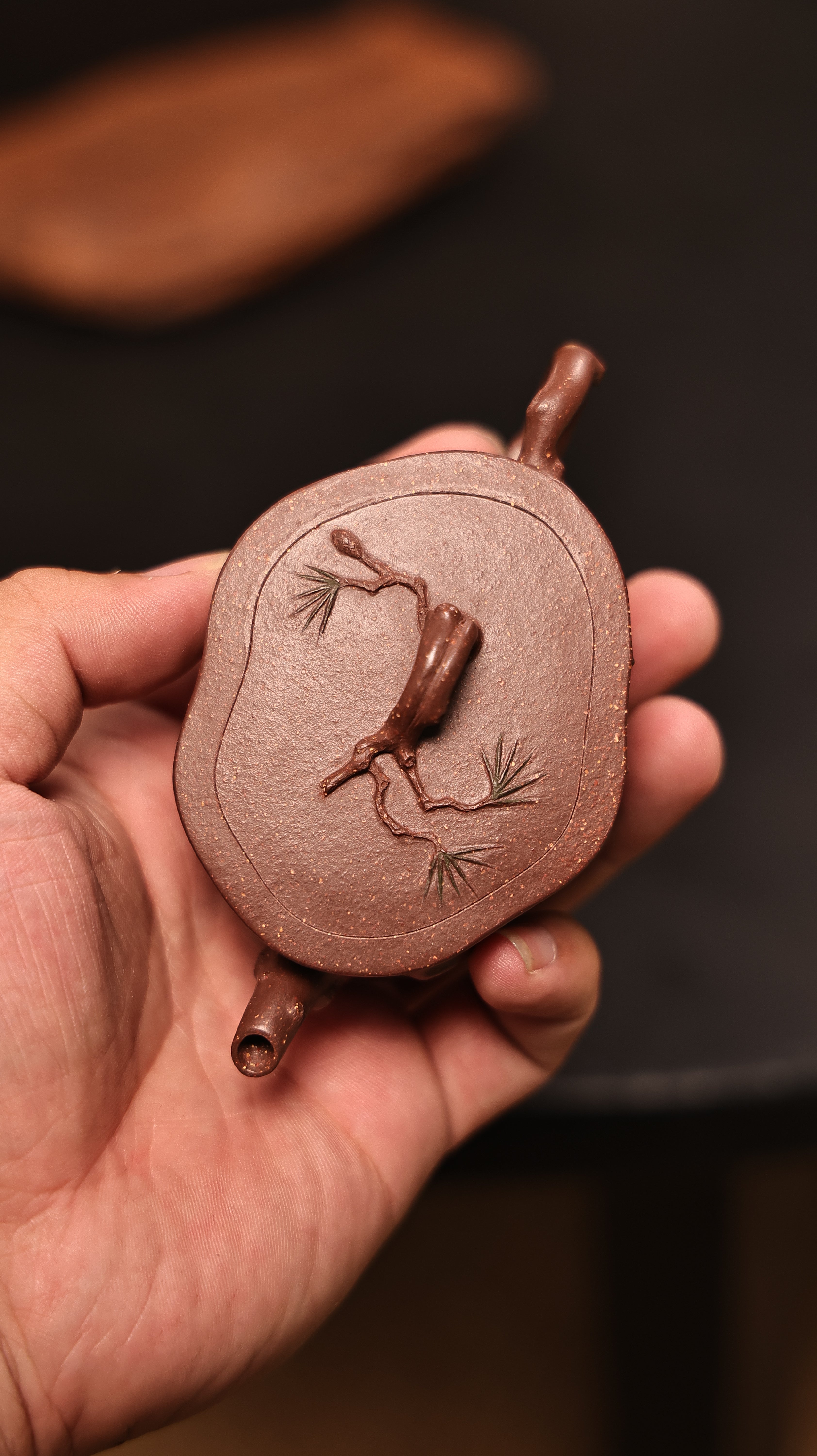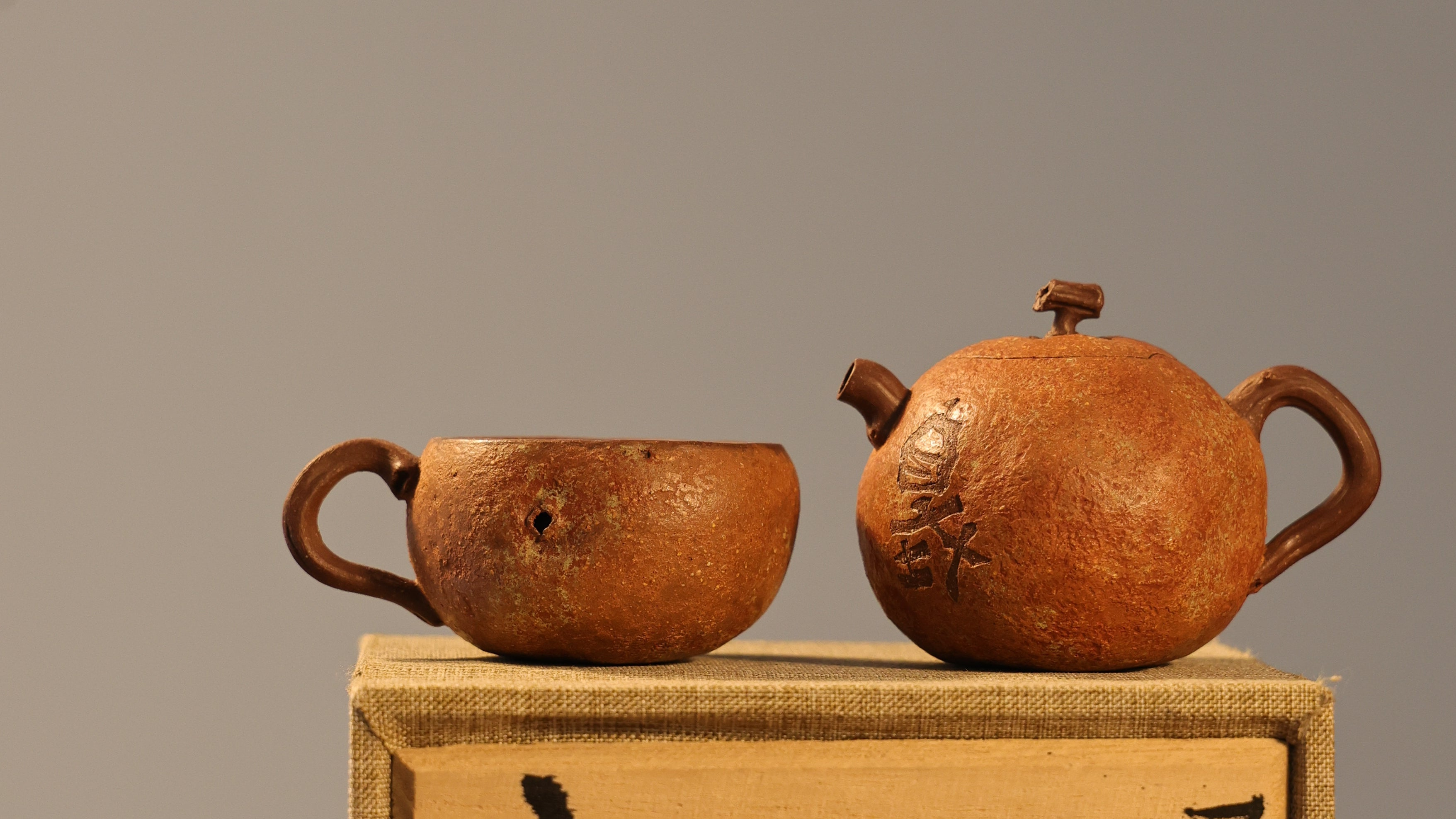
Centuries of aficionados have yearned the special attraction of Yixing Zisha kettles. Emerging in the cozy town of Yixing, the state, these earthenware are formed from a peculiar and sourced purple clay renowned for its exceptional thermal properties and facility to intensify the bouquet of beverages. Aside from their practical value, Zisha teapots manifest a solid heritage legacy, rendering them considerably esteemed and a real find for any dedicated teapot devotee.
Examining Yixing Earthenware
Yixing teapots display a extraordinary integration of history and traditional craftsmanship. Originating in Yixing, Jiangsu Locale of China, their narrative extends to the Ming Dynasty, although indications suggest earlier examples. The exclusive reddish-brown clay, called Zisha, found merely in the Yixing region, is the integral component, contributing to the pots' exceptional heat sustaining and the manner they modify the flavor of tea. Continuums of potters have enhanced techniques—often passed down through families—including molding the clay, applying intricate embellishments, and firing the pots at consistent temperatures.- Originally, Yixing teapots were often trimmed with simple designs.
- Afterwards, more complex carvings and expressive motifs became common.
- The baking procedure itself is a essential element, requiring decades of competence.
Assembling Zisha Teapots: Important Insights
Starting a venture to collect Zisha pots can be profitable, but it’s vital to discern what to look for. Authenticity is essential; focus on the potter’s natural cast, a muted reddish-brown is typical. Examine the grain; genuine Zisha has a exclusive tactile sensation, often portrayed as slightly uneven. The shape should be harmonious and consistent with conventional styles, while inscriptions, if present, require diligent examination for authenticity. Don’t avoid to consult with skilled enthusiasts or trusted authorities – their guidance is critical.
A Containers: Surveying the Tradition of the Yixing Purple Earth
Generations have seen Yixing Ming Clay teapots maintain a unique role in Chinese history. These skillfully produced pots, sourced exclusively from the area of Yixing, are celebrated for Zisha Teapot their identifiable tint, quality, and their ability to enrich the profile of tea. Numerous collectors desire antique Yixing teapots, regarding them deeply not only for their aesthetic attractiveness, but also for the records they stand for.
Yixing Zisha Teapots: The Best Types and Their Aspects
Yixing Zisha teapots, originating from the regional area of Yixing, the realm, are distinguished for their exclusive clay and first-rate brewing characteristics. In the several Zisha types, notable classes that are highly coveted include Tianqing. Binzhou, known for its profound purple shade and even texture, delivers a mild flavor. This Duan Ni variety, recognizable by its orangish color and fairly grainy feel, is assumed to enhance the fullness. Lastly, Zhuni Zisha boasts an peculiar vermilion tone and can provide a delightful nuance. Each variety supplies a varied experience, causing them highly desirable regarding brew enthusiasts.
Excelling at The Ceramic Pitcher
To experience the full potential of your Yixing pitcher, mastering the correct approach is fundamental. These clay kettles, celebrated for their absorbency, will eventually assimilate the character of the tea you create within them. Begin by scrubbing the kettle thoroughly with scalding water. Then, use only superior loose leaf tea, as lower quality options can weaken the container’s delicate flavor profile. Always permit the leaves to open completely, and remember that with each preparation, your Yixing vessel will become continuously special.
Protecting Your Invaluable Zisha Treasure
Proper treatment for your Zisha teapot is crucial to maintaining its durability and worth. Zisha clay, acclaimed for its unique coloration and makeup, requires delicate handling. Never use caustic detergents, as these can ruin the covering. After every brewing, rinse the urn with tepid water and allow it to dehumidify completely.
- Refrain from soaking the container for extended periods.
- From time to time use a soft polishing cloth to clean the exterior.
- Reflect on applying a thin layer of food-grade balm inside the vessel after drying, which can avoid staining.
Fundamentals of Yixing Kettles
Yixing teapots, originating from the Yixing locale in Jiangsu Province, inside China, are celebrated for their distinctive qualities. Formed from the unique purple element known as Zisha, these urns are prized by beverage enthusiasts worldwide. This manual will clearly explain the basics – covering varieties of Zisha material, typical shapes, and key care advice. Understanding the origin of Yixing earthenware can boost your appreciation for this celebrated example of Chinese artistry.
Mastery of Oriental Kettles: Presenting Zisha originating in the Yixing area
Zisha soil from this city of Yixing represents the culmination of Asian teapot design, featuring a distinctive mixture of authentic beauty and operational artistry. These notable pieces are noted for their profound complexions, often stretching over strong purples and copper hues to delicate greys and subtle beiges. The defining mineral composition of the exclusive-to-the-area Zisha substrate imparts a unique texture and delivers a pleasant aroma that heightens the aggregate drink experience, resulting in them strongly coveted collectibles and fundamental components of any serious infusion.